
Jewelry trends epitomize magnificence and sophistication, bringing a drop of luxury and beauty into our lives. However, when it comes to comparing jewelry trends between the former Soviet Union and European countries, one can find unique differences that reflect the historical, cultural and artistic characteristics of each region.
For example, handmade: In the former Soviet Union, handmade items such as gold chains braided, Bismarck, Charlotte, or nylon ropes with smooth inserts are valued. Craftsmen put a lot of time and effort into creating each piece. Handwork is also valued in Europe, but more industrialized production processes may be used.
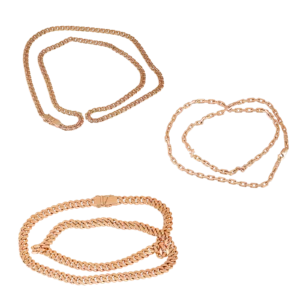
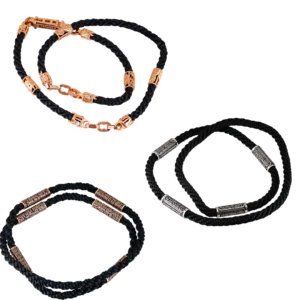
Traditions and rituals: In the former Soviet Union countries, jewelry may be associated with traditional rituals such as weddings or holidays. For example, it is a common tradition in Ukraine to wear engagement rings on the right hand, unlike in European countries where they are usually worn on the left hand.
Unique techniques: The countries of the former Soviet Union have developed unique jewelry art techniques, such as mosaic enamel, which creates colorful and picturesque patterns on metal. In Europe, there may be widely used techniques such as engraving, filigree and cameo that are gaining momentum around the world.
Fashion and celebrity influence: In the former Soviet Union, fashion trends can be heavily influenced by the style of celebrities, actresses and popular musicians. In Europe, fashion influence can come from famous fashion designers, fashion houses and style icons.
Price range and availability: In the former Soviet Union countries, a wide range of jewelry can be found, ranging from affordable mass brands to exclusive luxury pieces. In Europe, different price categories are also represented, but the general emphasis may be on prestige and high quality.
A comparison of jewelry trends between the former Soviet Union and European countries reveals many differences in styles, techniques, fashion influences and consumer preferences. This reflects the richness and diversity of jewelry culture in different regions, allowing everyone to choose a piece of jewelry that reflects their personality and style.


